A flight day can become difficult long before boarding begins. A curbside pickup that is too far from the entrance, a vehicle with limited room for a walker, or a driver who does not understand terminal access can create unnecessary stress. Accessible airport transportation is about removing those obstacles with a clear plan, the right vehicle, and a chauffeur who respects the passenger’s needs and schedule.
For travelers going to or from Toronto Pearson Airport, accessibility should never be treated as an afterthought. Whether you are traveling with a mobility device, recovering from surgery, coordinating for an older family member, managing sensory needs, or simply need extra time and assistance with luggage, pre-booked private transportation gives you more control over the trip.
What Accessible Airport Transportation Should Include
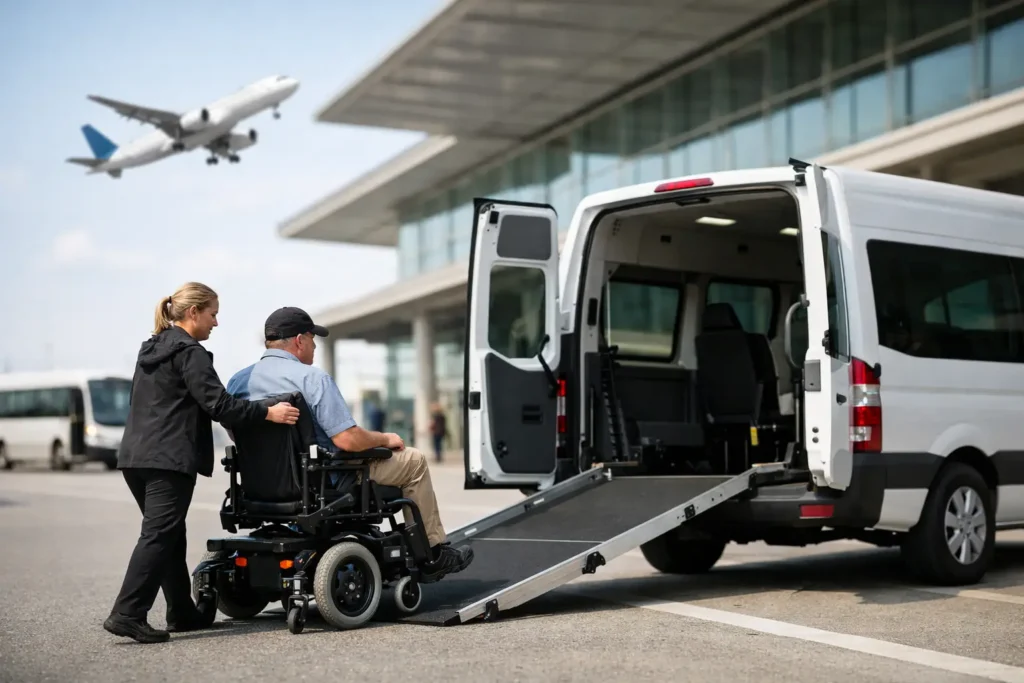
Accessibility is not one single feature. A passenger using a folding wheelchair may need a spacious trunk and a chauffeur who can assist with luggage. A traveler with limited mobility may need a lower step-in height, a stable entry point, and time to get seated without feeling rushed. A family traveling with an elderly parent may need an SUV or van that keeps everyone together rather than splitting into separate vehicles.
The key is to communicate your needs before the ride is dispatched. A professional transportation provider should ask practical questions, confirm the vehicle type, and set expectations clearly. Do not rely on a generic request field or assume that any available vehicle will work.
A dependable airport transfer should also include a pickup plan that makes sense for the passenger. That means confirming the address, allowing appropriate loading time, and choosing a pickup area that reduces long walks whenever possible. At the airport, it means having a chauffeur who knows the terminals, follows airport procedures, and can communicate clearly if traffic or terminal conditions affect the meeting point.
Book the Vehicle Around the Traveler, Not the Fare
The lowest quoted ride is not always the most workable ride. If a passenger needs room for a wheelchair, walker, medical equipment, multiple bags, or a companion, a compact sedan may create problems before the vehicle leaves the driveway. Choosing the right vehicle class upfront is usually more comfortable and can prevent a last-minute cancellation or an awkward luggage compromise.
For one or two travelers with standard luggage and a folding mobility aid, a luxury sedan may be suitable. An SUV often provides more cargo room and easier access for passengers who need a little extra space. Vans are a practical choice for families, groups, or travelers bringing several pieces of equipment and luggage.
Vehicle selection depends on the specific need. A larger vehicle is not automatically accessible for every passenger, and not every traveler needs the same support. Share accurate information when booking, including whether the mobility device folds, its approximate size, how many passengers are traveling, and whether the passenger can transfer into a standard vehicle seat independently.
A responsible provider will not make promises about equipment or accommodations it cannot safely provide. That honesty matters. It gives the traveler time to arrange the right transportation rather than discovering a limitation at the curb.
Ask These Questions Before Confirming
A few direct questions can prevent most airport transportation problems:
- What vehicle has been assigned, and how much luggage space does it have?
- Can the chauffeur accommodate a folding wheelchair, walker, or other mobility aid?
- Where will the pickup occur at the airport, and how will the chauffeur communicate any changes?
- Is extra time included for boarding, luggage, or a passenger who moves at a slower pace?
- What happens if the flight is delayed or arrives early?
These details are not demanding. They are part of a properly planned ride.
Reliable Communication Makes the Trip Easier
Accessibility also means knowing what is happening. A passenger should not be left wondering whether the car is coming, whether the driver knows about a flight delay, or where to meet after landing. Airport travel already has enough variables. Your ground transportation should reduce them.
Pre-booked service gives travelers a confirmed itinerary, a scheduled vehicle, and a clear point of contact. Flight tracking is especially useful for arriving passengers because it allows the chauffeur team to adjust for actual arrival timing rather than a schedule that may no longer be accurate. SMS updates can provide reassurance without requiring the passenger to repeatedly call from a crowded terminal.
This is particularly valuable for travelers who cannot comfortably stand outside for long periods, navigate an unfamiliar pickup zone, or manage luggage while trying to locate an app-based driver. No standing on a curb hoping a vehicle appears. No last-minute vehicle substitution without a conversation. No guessing whether the driver has enough room.
For airport pickups, ask how the meeting process works before you land. Pearson Airport has designated procedures and busy terminal roadways, so the best pickup location can depend on the terminal, time of day, and airport direction. A chauffeur familiar with airport operations can give clear instructions and avoid unnecessary confusion.
Give Yourself More Time Than a Standard Pickup
Accessible travel often requires a more realistic schedule. A passenger may need time to get from the home entrance to the vehicle, settle comfortably, secure personal items, and load mobility equipment. At the airport, security lines, elevators, terminal distance, and airline assistance can add more time than expected.
Build that time into your reservation. For a departure, choose a pickup time that accounts for traffic and the passenger’s actual pace, not just the airline’s minimum check-in recommendation. For an arrival, arrange transportation that can respond to flight changes and allow a comfortable transition from baggage claim to the pickup area.
This is where fixed, pre-arranged service has a meaningful advantage. You are not trying to find a suitable vehicle at the exact moment you need one. Your requirements have already been discussed, the trip is scheduled, and the route is planned around getting you to the airport without a rushed start.
Accessibility Includes Dignity and Professionalism
The experience matters as much as the vehicle. Travelers deserve a chauffeur who is patient, courteous, and focused on safe assistance. That does not mean making assumptions about what help a passenger wants. It means asking respectfully, listening to instructions, and allowing the passenger to maintain control.
Professional chauffeurs understand that assistance may be as simple as opening the door, handling bags, or giving the traveler an extra moment to enter and exit. They should protect privacy, avoid rushing passengers, and keep the vehicle clean and ready for use.
For business travelers, this level of care protects the schedule and professional image. For families, it takes pressure off the person who would otherwise manage every bag, boarding step, and airport detail. For older travelers, it can make an early-morning departure or late-night arrival feel manageable instead of exhausting.
Airline Limo Pearson approaches airport service as a reservation-based experience, not a chance encounter at the curb. Licensed and insured chauffeurs, fixed pricing, flight-aware pickups, and vehicle options for different group sizes create the consistency travelers need when timing and comfort matter.
Plan the Return Ride Too
Many travelers carefully arrange their trip to the airport and leave the return ride until later. That can be a mistake, especially after a long flight. Delays, fatigue, baggage issues, and busy terminal pickup areas make spontaneous transportation harder than it appears.
Reserve both directions when possible. Confirm the inbound flight number, passenger phone number, baggage expectations, and any mobility or assistance needs. If you are arranging travel for a parent, colleague, or guest, make sure they know the vehicle description and the communication plan before they depart.
The best accessible airport transportation feels uneventful in the right way. The vehicle arrives when expected, there is room for the traveler and their belongings, the chauffeur knows the plan, and the airport handoff is clear. That is not an extra luxury. It is the level of preparation that lets a traveler focus on the flight ahead instead of the ride to get there.